



Currency & Settlement
Beyond the greenback: How geopolitical tensions are impacting the dollar's monopoly
The petrodollar system is not going anywhere, but the Iran war has accelerated the search for alternatives.

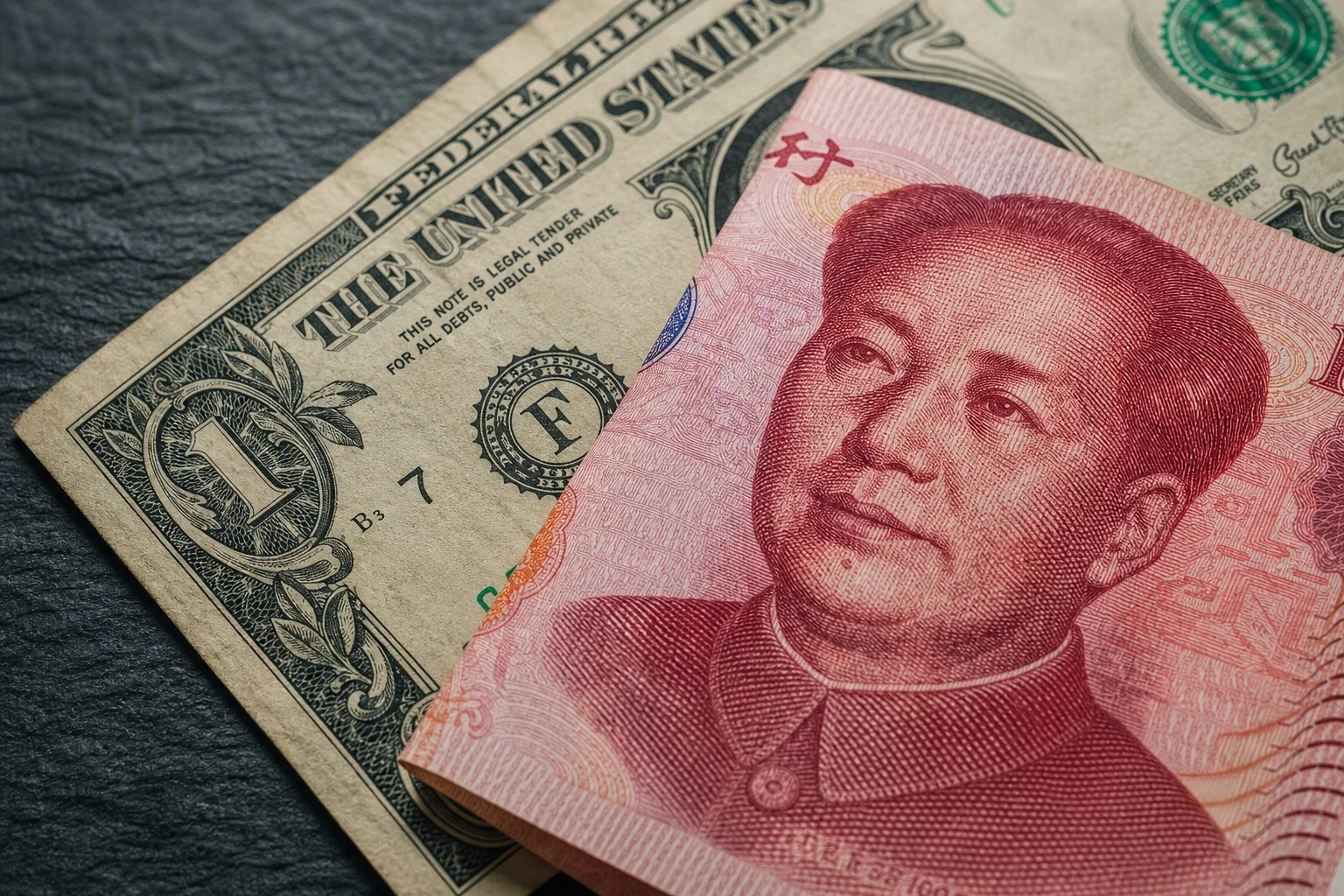
As the first half of 2026 unfolds, rising geopolitical tensions are reshaping how countries trade with each other. When Iran closed the Strait of Hormuz in March 2026, days after the US and Israel started attacking its territory, the immediate concern in the global economy was oil. However, of deeper consequence is how the war is accelerating a shift in how trade is settled, with the US dollar at the centre of it all.
Roughly 20 million barrels passed through the Strait of Hormuz daily before the war, alongside roughly a fifth of global LNG. With Iran demanding payment in Chinese yuan to let cargo ships pass through the Strait, the trade chokepoint is becoming a stress test for the petrodollar system itself.
For decades now, the petrodollar system—where oil is priced in US dollars—has anchored America’s financial clout. Even before the war began, many countries were unhappy with the West’s weaponisation of the dollar infrastructure. However, the Iran war has sharpened the incentive. For Iran, it is an attempt to showcase the tools it has in its armoury to dent the global economy and American dominance of the global financial system, in favour of its long-term ally China, which buys most of its oil from Iran. And now with crude and LNG prices increasing and decreasing on a whim, many Asian economies’ vulnerabilities have been exposed, resulting in them looking for ways to pay for oil imports in other currencies.
Hormuz storm drives shift to local-currency settlements
This process arguably began with the Ukraine war. Following the imposition of Western sanctions on Russia and its exclusion from the SWIFT framework, Russian energy began trading in roubles, yuan and rupees. The world is seeing an extension of this phenomenon with the Iran war, with countries looking to settle key commodities such as urea, aluminium and sulphur in non-USD currencies.
Iran’s requirement for oil payments to be made in Chinese yuan is a direct challenge to a global financial order dominated by the dollar. Beyond being symbolic given the current circumstances, this is also a survival mechanism against the weaponisation of Western financial infrastructure, such as sanctions or disconnection from the SWIFT network. The shift is most advanced where sanctions are biting the hardest. China and Russia now settle the vast majority of their bilateral trade in yuan and roubles. India runs a rupee settlement framework with 22 countries. ASEAN has committed to local-currency settlement across the bloc—an attempt to hedge given the USD is still the bloc’s reserve and invoicing currency of choice.
This shift is especially important for oil-import-dependent Southeast Asian countries that are dealing with persistent inflationary pressures. For countries like Indonesia, Thailand and Vietnam, the ability to buy oil and gas at a discount and pay in their own currencies is now a key component of their national energy security.
The rise of alternate financial infrastructure
In order for countries to reduce their dependence on the dollar, they need a new type of financial architecture. China has emerged with its own—the Cross-Border Interbank Payment System (CIPS) has become the primary alternative to SWIFT. The CIPS platform also allows mixed settlement structures, reducing risk and improving liquidity. Updated with new operating rules for 2026, CIPS has made yuan settlement faster and more efficient. Today, the renminbi ranks among the top currencies in global trade financing and is the third-largest payment currency in terms of payment volume.
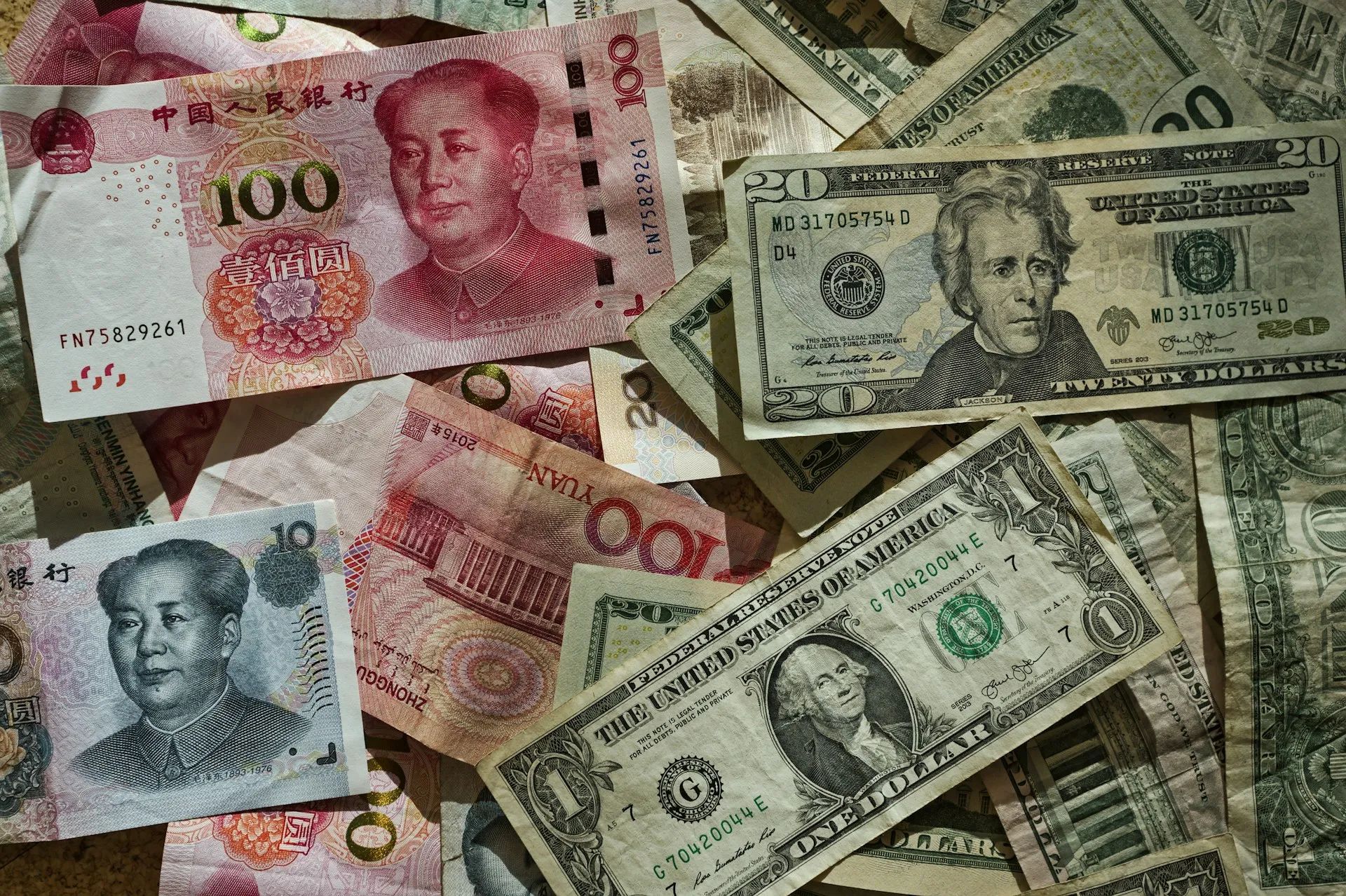
Central bank digital currency rails are telling a similar story. Project mBridge—which links the central bank digital currencies of Hong Kong, China, Thailand and the UAE—reached its minimum viable product stage in 2024. The mBridge platform allows the participating economies to bypass traditional dollar-clearing intermediaries, simultaneously reducing cross-border transaction times from days to seconds.
For Asian banks, the question is not about whether they should engage with these rails, but how. CIPS connectivity is important for trade finance teams handling China-facing businesses. As the use of CIPS increases, one of the challenges facing banks moving forward is how to assess how much yuan liquidity they should hold in correspondent accounts. There are also bound to be questions relating to the pricing of multi-currency letters of credit. The risk banks in Asia need to manage is not de-dollarisation itself, but being late to the architecture being built in parallel.
Hormuz daily throughput
Barrels of oil passing through the Strait of Hormuz daily before the war
Renminbi’s payment rank
The renminbi is now the third-largest payment currency globally by volume
The road ahead
Though there has been a rapid growth of alternative payment rails, none of this means the dollar is being replaced anytime soon. The US dollar’s hegemony remains. Peter Kinsella, global head of FX strategy at Union Bancaire Privée, notes that the dollar has survived multiple cycles of decline to remain the world’s primary reserve currency. While the yuan can facilitate a partial bypass of the dollar, it is still far from displacing the greenback’s key role in the global financial system. The depth of US Treasury markets, the network effects of dollar invoicing and quite simply the absence of another currency that is remotely comparable in scale, which all point to the reality that the US dollar will continue to remain the dominant global currency for some time to come.
Moreover, the path to de-dollarisation is still fraught with risk, and the alternatives remain costly. Countries still fear the US imposing sanctions on banks using alternative rails like CIPS. Separately, yuan settlement comes with capital controls and a managed exchange rate. The decision to route around the dollar is therefore a complex one, rooted in both economic and political factors. One the one hand, it is about dealing with frictions in some trading corridors, while on the other, it is about mitigating the costs of staying within the dollar system.
No one is writing the obituary of the US dollar yet, and it is unlikely things will reach that stage. However, the events of the past few years, culminating in the Iran war, have compelled many countries to consider the fundamental importance of having alternatives. In this environment, financial institutions need to consider geopolitical volatility as part of their decision-making, as they do interest rates or credit quality.